

- Description
- Feature
- Usecase
Description
A Driver Behavior Monitoring System (DBMS) is a technology suite—typically combining telematics sensors and AI cameras—designed to track, analyze, and improve how vehicles are driven. Its primary goal is to shift fleet management towards driving safety. This system will allow a fleet owner to get the rating of the drivers based on their driving patterns along with alerts on Over speeding, Harsh Turns, Harsh Breaking, Harsh Acceleration and fatigue driving. The system tracks specific behaviors that correlate with high risk or high cost.
Driver Behavior Monitoring System delivers benefits:
Aggressive Driving: Detects harsh braking, rapid acceleration, and sharp cornering using the vehicle's accelerometer
Speeding: Compares actual vehicle speed against posted speed limits for that specific road segment.
Distracted Driving (AI Vision): Uses cab-facing cameras to detect if a driver is looking at a phone, eating, or smoking while driving.
Fatigue & Drowsiness: Monitors eye closure rates (blinking), yawning, and head position to detect micro-sleep or falling asleep at the wheel.
Eco-Driving: Tracks excessive idling, high acceleration & Braking, and coasting behaviors that waste fuel.
Compliance: Detects seatbelt usage and ensure drivers are not driving beyond legal hours.
Feature
Tracking real-time telemetry like harsh braking, speeding & erratic cornerning to build a safer, more efficient fleet
- Live Location tracking on the map
- Fleet running status
- Vehicle ECU Parameter monitoring through CAN Integration
- Alerts on predefined events
- Analyzed Reports based on historical data
- Fleet maintenance reminders & Alerts
- Utility Features like Share location, Nearest vehicle finder and custom POI etc.
- Fuel Monitoring with refill & drainage alert
- Temperature Monitoring with alerts
- Driver Management
Usecase

Risk Reduction and Accident Prevention
The most critical use case is proactively identifying dangerous driving habits before they lead to a collision.
- Sensors detect harsh braking, rapid acceleration, and aggressive cornering. Advanced systems use AI cameras to spot distracted driving (phone use) or drowsiness.
- Fleet managers can implement "in-cab" alerts that beep when a violation occurs, coaching the driver in real-time to correct the behavior immediately.
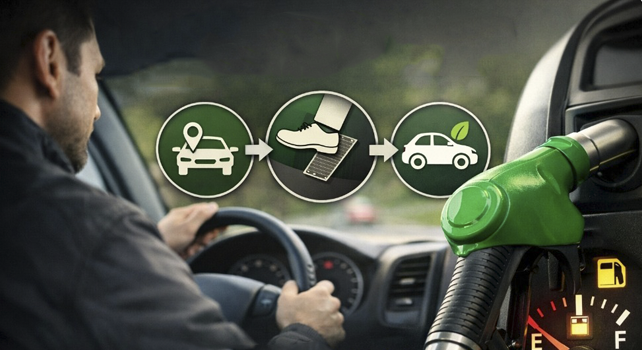
Fuel Efficiency and Sustainability
Driving style has a massive impact on a vehicle’s carbon footprint and a company’s bottom line.
- The system monitors excessive idling (leaving the engine running while parked) and speeding.
- By smoothing out jerky driving patterns and reducing speed, fleets can see fuel savings of 5% to 15%. This also helps companies meet "Green Fleet" targets by lowering CO2 emissions.
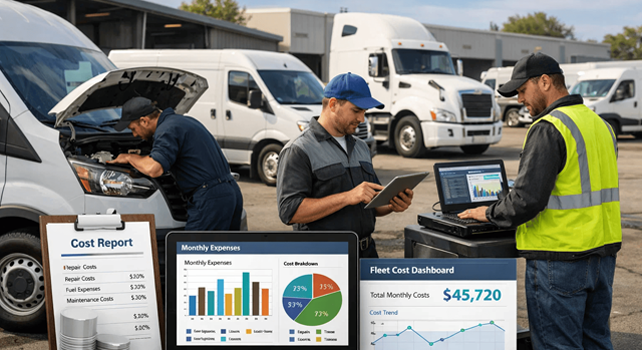
Maintenance Cost Optimization
Aggressive driving doesn't just burn fuel; it tears up the machinery.
- DBMS tracks habits that lead to premature wear and tear on tires, brake pads, and transmissions.
- By enforcing gentler driving, companies extend the Preventative Maintenance (PM) intervals of their vehicles. This leads to fewer "out-of-service" days and a higher resale value for the fleet.
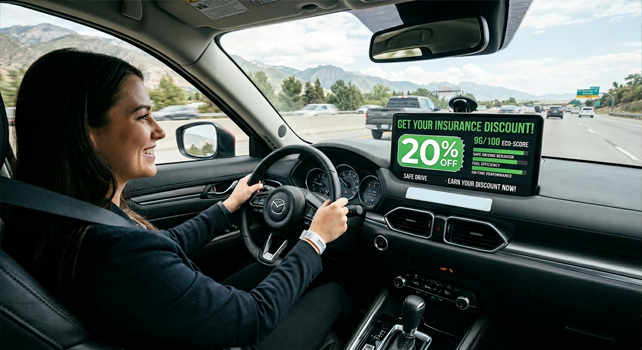
Insurance Premium Management
Insurance companies love data because it reduces their uncertainty.
- Many insurers offer Usage-Based Insurance (UBI). They provide discounts to fleets that can prove their drivers are consistently safe through DBMS reports.
- In the event of an accident, video evidence from the DBMS can exonerate drivers from false "crash-for-cash" claims, potentially saving tens of thousands of dollars in legal fees and settlements.