
- Description
- Feature
- Usecase
Description
A Route Management System is a smart digital solution that helps organizations plan, optimize, monitor, and manage vehicle routes efficiently. It uses maps, GPS, and IoT technologies to select the best routes, track vehicles in real time, and adapt to traffic or operational changes. The system improves delivery speed, fuel efficiency, and operational visibility by ensuring vehicles follow optimized paths, providing live location updates, and generating performance insights. Route Management Systems are widely used in logistics, transportation, fleet operations, and service management to reduce costs, improve reliability, and enhance overall productivity.
Route Management System delivers benefits:
Improves delivery speed
Improves fuel efficiency
improves operational visibility
Help optimize, monitor, and manage vehicle routes
Feature
A real-time RMS that plans most efficient delivery sequences, bypasses delays & cutdown total mileage
- Efficient Route Planning
- Automated route optimization based on distance & time
- Multi-stop and multi-vehicle route planning
- Real-time route recalculation for delays or disruptions
Usecase
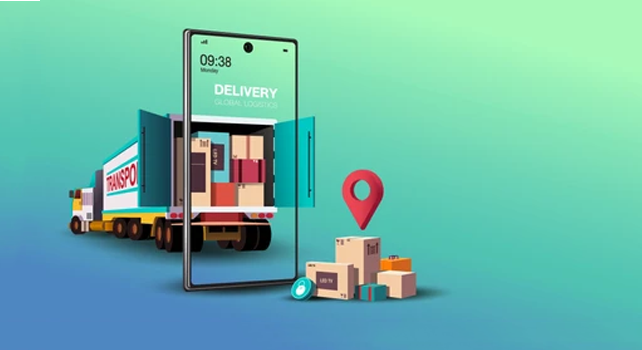
Logistics and Last-Mile Delivery
- Dynamic Rerouting: If a delivery truck encounters an unexpected traffic jam or road closure, the system pushes a new optimal path to the driver’s device instantly.
- Stop Sequencing: For drivers with dozens of stops, IoT algorithms calculate the most efficient sequence based on vehicle capacity, delivery time windows, and current traffic.
- On-Demand Delivery: Instant Delivery Companies use IoT to assign orders to the "best" driver based on their real-time location and current route, rather than just the closest one.
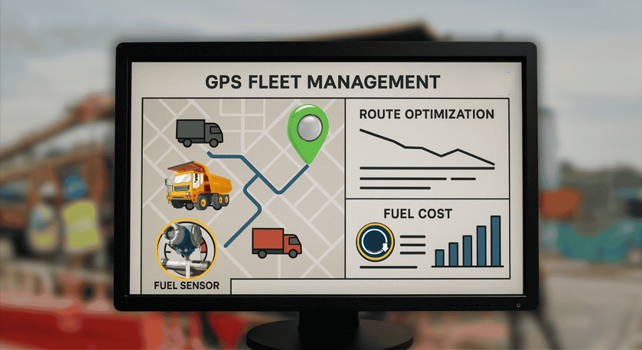
Fleet Management
- Fuel Optimization: By reducing idling time and choosing routes with fewer stops or inclines, companies can cut fuel costs.
- Geofencing: If a vehicle deviates from its assigned route, the system triggers an automatic alert to prevent unauthorized use or theft.
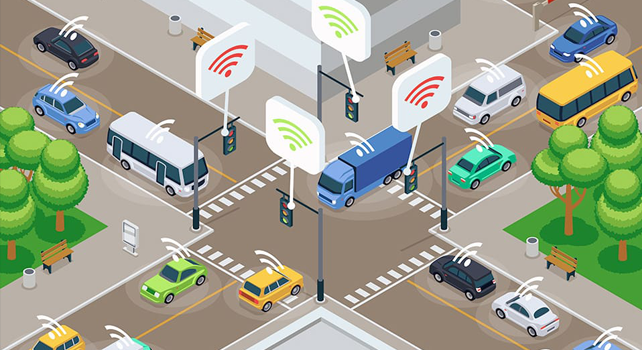
Smart City and Public Transit
Municipalities use IoT to move people more efficiently through urban environments.
- Adaptive Public Transit: Buses and trams are equipped with GPS. If a bus is running late, the system can adjust the route or frequency of the next bus to maintain the schedule.