

- Description
- Feature
- Usecase
Description
A Trip Management System (TMS) is the strategic layer above GPS tracking. While a Route Management System focuses on the "how" (the specific path), a Trip Management System focuses on the "what, when, and who"—managing the entire lifecycle of a journey from planning to final billing. In modern IoT and fleet environments, it serves as a centralized platform to coordinate dispatching, resource allocation, and expense tracking.
Trip Management System oversees 4 different phases:
Planning: Creating a "Trip Sheet" that includes the start point, end point, specific waypoints (stops), assigned driver, and assigned vehicle.
Execution: Sending the trip details to the driver's mobile app. The system monitors the "Start Trip" and "End Trip" timestamps.
Real-Time Monitoring: Using IoT data to track progress. It alerts managers if a trip is delayed, if the driver takes an unauthorized detour, or if a specific waypoint is skipped.
Settlement & Analysis: Once the trip is "Closed," the system automatically calculates the total distance, fuel used, toll expenses, and driver allowances (pay) based on the recorded data.
Feature
Complete journey control, from departure to destinationTrack the trip, master the timeline, delight the customer
-
Advanced Planning & Dispatch
- Dynamic Route Optimization: Uses Check Viability function to find the available vehicle efficiently. System calculate the most efficient path based on maps APIs, and delivery windows.
- Smart Scheduling: Assigns trips to the nearest or most suitable vehicle based on various parameters and current location. Real-Time Execution & Visibility
- Live Trip Tracking: High-frequency location updates combined with Video Telematics (AI dashcams) to see exactly what the driver sees.
- Geofence Alerts: Immediate notifications when a vehicle enters or exits a predefined zone (e.g., a warehouse or a customer site), automating time-on-site reporting.
- Predictive ETAs: Continuously updated arrival times shared with customers via live tracking links, reducing "where is my order?" calls Safety & Behavior Monitoring
- AI Driver Coaching: Real-time in-cab alerts for distracted driving, fatigue, harsh braking, or speeding
- SOS & Emergency Response: Instant triggers for accidents or unauthorized route deviations, often integrated with satellite fallback for remote areas.
Usecase
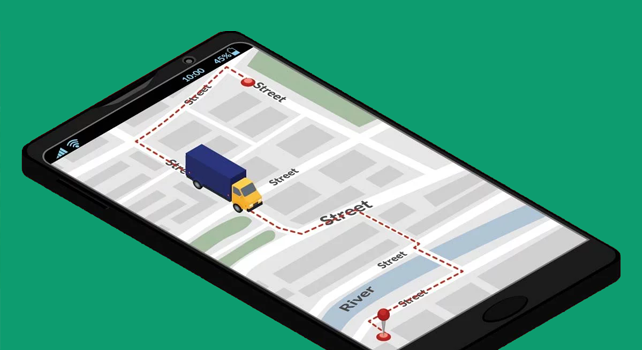
Dynamic Route Optimization
This is the "brain" of the system. Instead of just finding the shortest path between two points, it looks at the entire puzzle of a day's work.
- It calculates routes based on real-time traffic, vehicle size restrictions (e.g., bridge heights), delivery windows, and even the priority of specific customers.
- It prevents "empty miles" (driving without cargo) and ensures drivers don't get stuck in predictable congestion, significantly boosting the number of deliveries possible in a single shift.
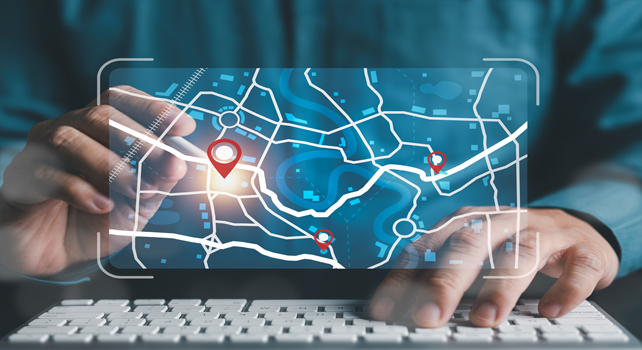
Logistics
In logistics, Trip Management is the strategic coordination of a vehicle's journey from the moment a "Job" is created until the final "Proof of Delivery". This advanced solution shifted toward a "Management by Exception" model—where systems only alert dispatchers when a trip deviates from the plan.
- Ensuring Goods safety and keeping on the trip informed of delays.
- Parents receive a notification when the bus is 5 minutes away. Admin monitors the "Trip Replay" to ensure the driver didn't take shortcuts or engage in risky maneuvers.
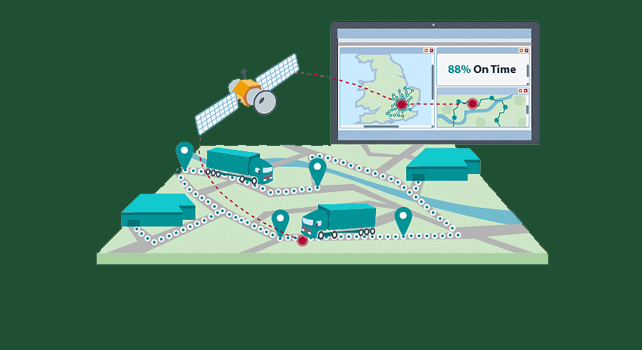
Geofencing and Milestone Tracking
TMS provides "passive" oversight that alerts managers only when something goes wrong.
- You can draw virtual boundaries (geofences) around warehouses or customer sites. The system automatically logs exactly when a vehicle enters and leaves.
- It provides "Proof of Arrival" and "Proof of Departure" without manual data entry. If a driver spends two hours at a site that should take 20 minutes, the system flags the delay, helping to identify bottlenecks in the supply chain.
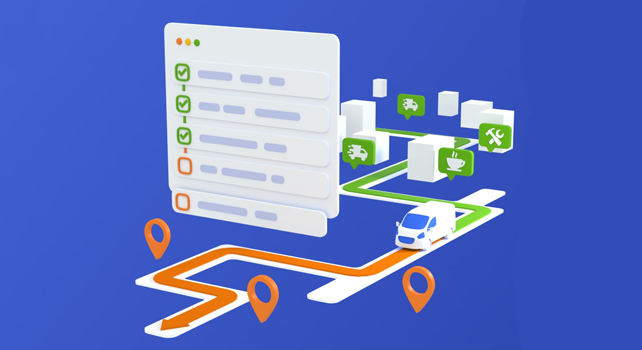
Cold Chain & Pharmaceuticals
- Maintaining a strict temperature range for sensitive cargo (e.g., vaccines or frozen food).
- Telematics sensors trigger a "Trip Deviation" alert if the refrigerator unit fails or if the door is opened at an unauthorized location.